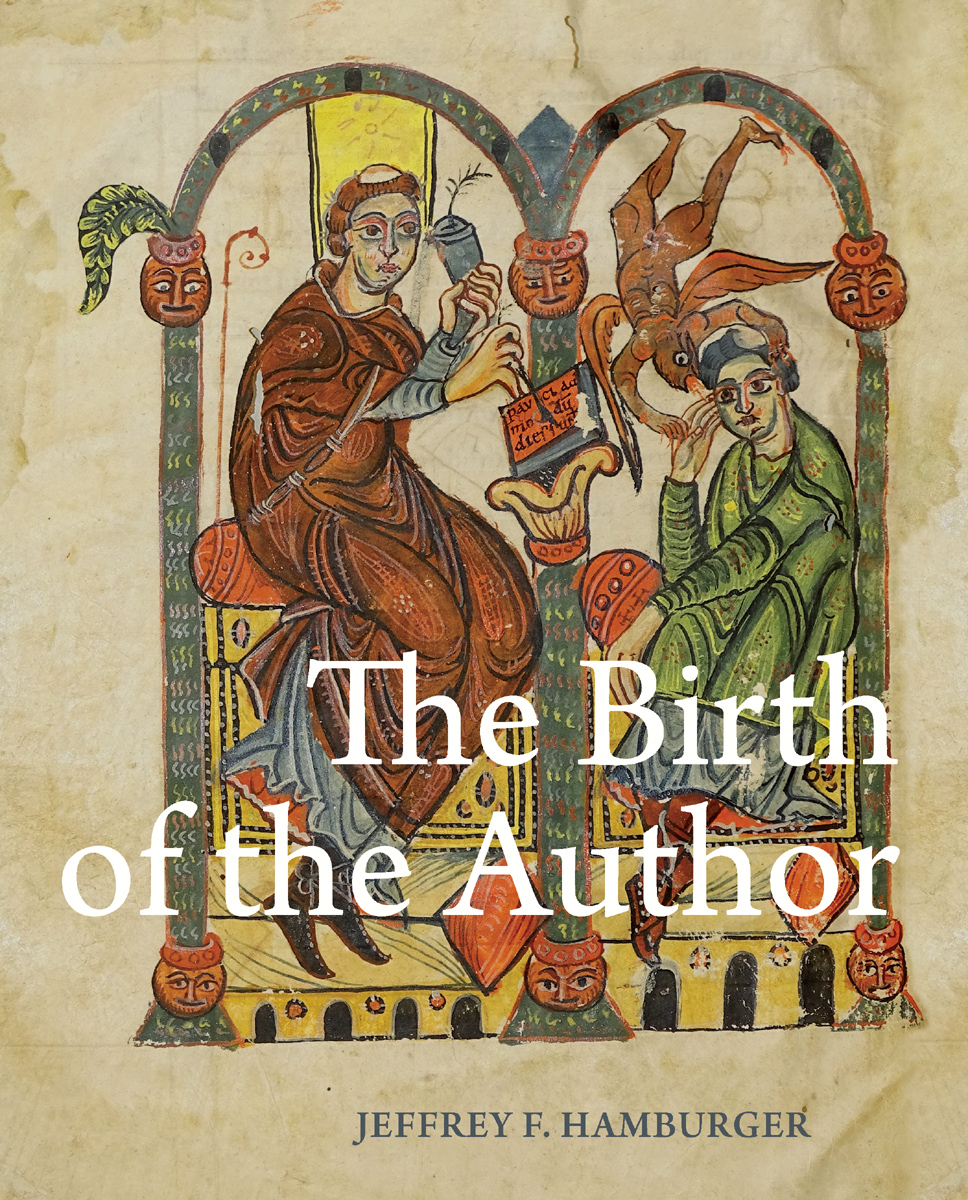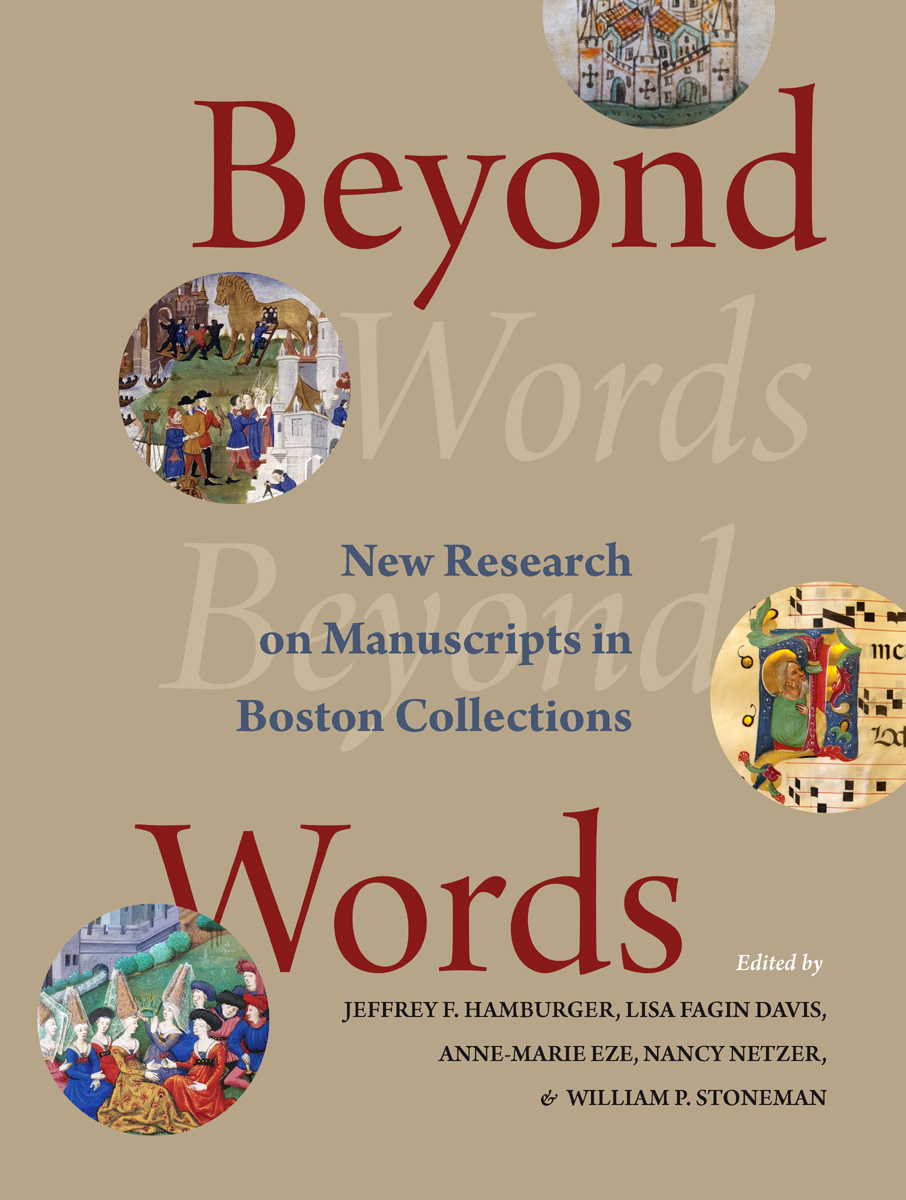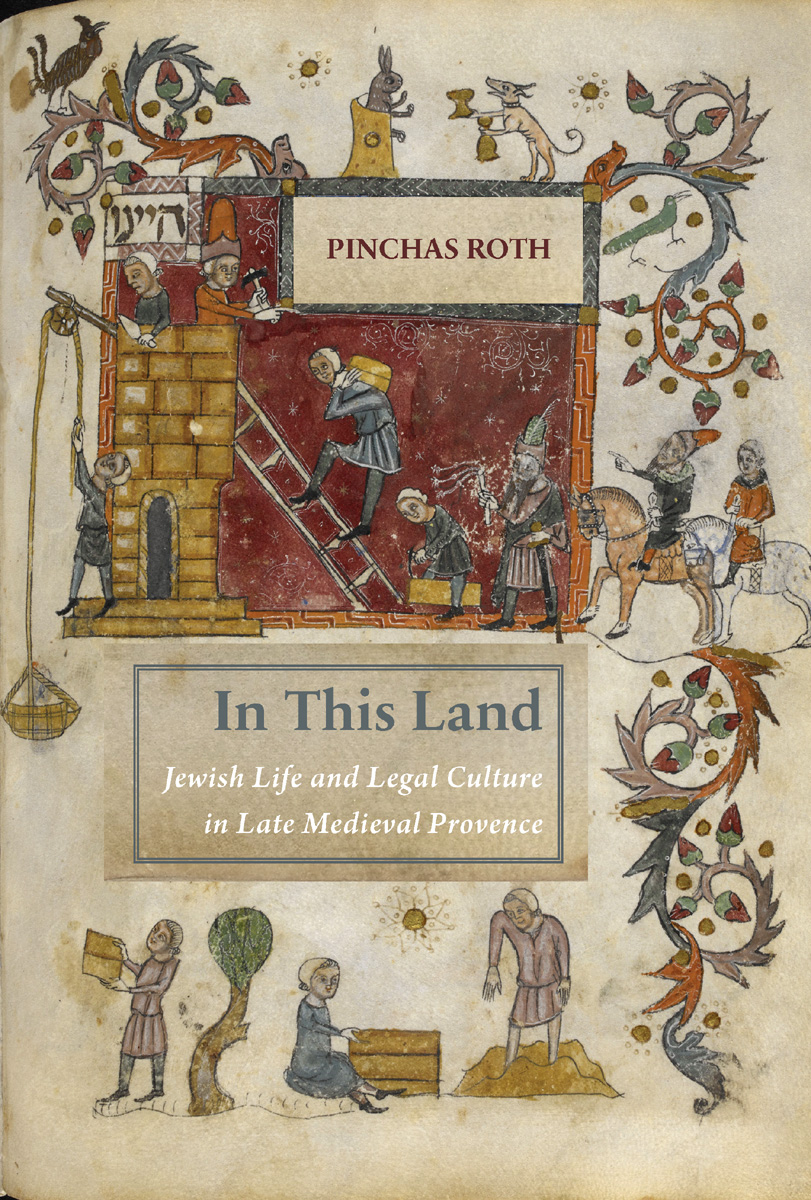
Studies and Texts 223; Judaism in the Medieval and Early Modern World 1 • 2021 • x, 168 pp. • ISBN 978-0-88844-223-9 • Cloth • $90
Jewish communities existed across the county of Provence throughout the Middle Ages. In This Land reveals the changes that those communities underwent during the late-thirteenth and fourteenth centuries and the social and cultural tensions that shaped their identity.
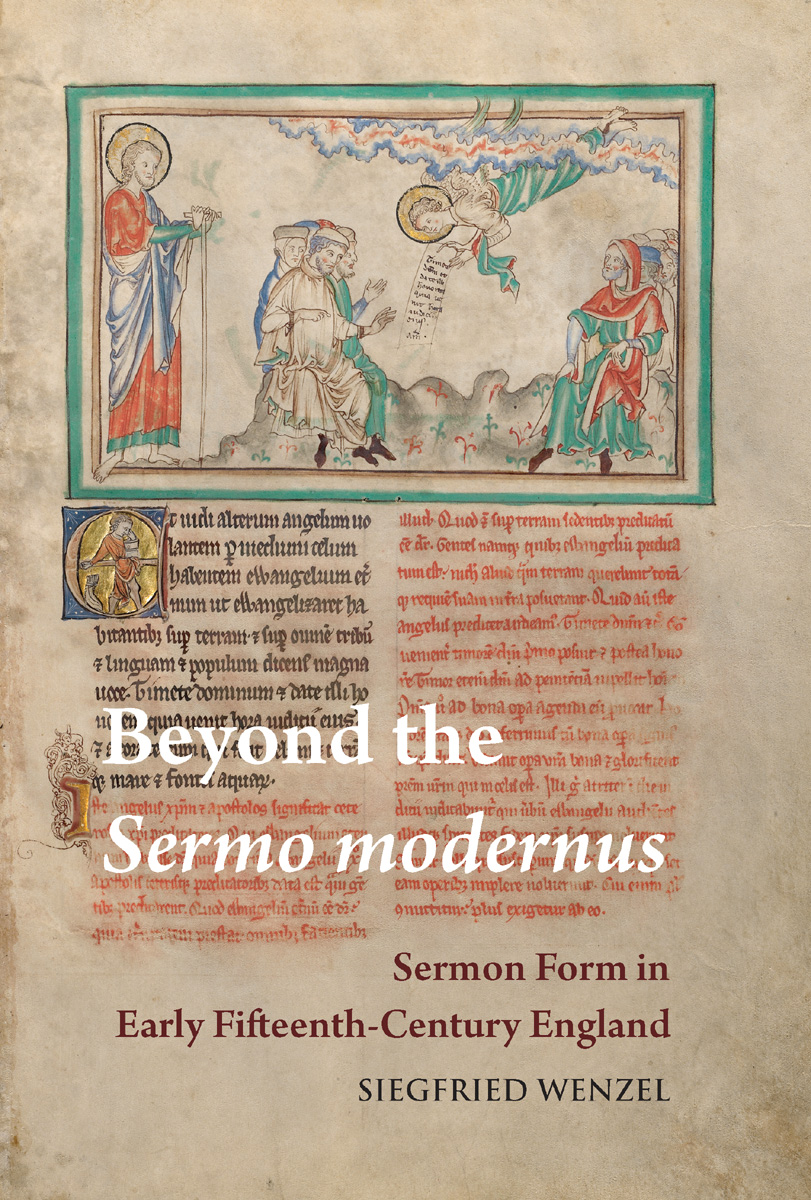
Studies and Texts 222 • 2021 • xii, 282 pp. • ISBN 978-0-88844-222-2 • Cloth • $95
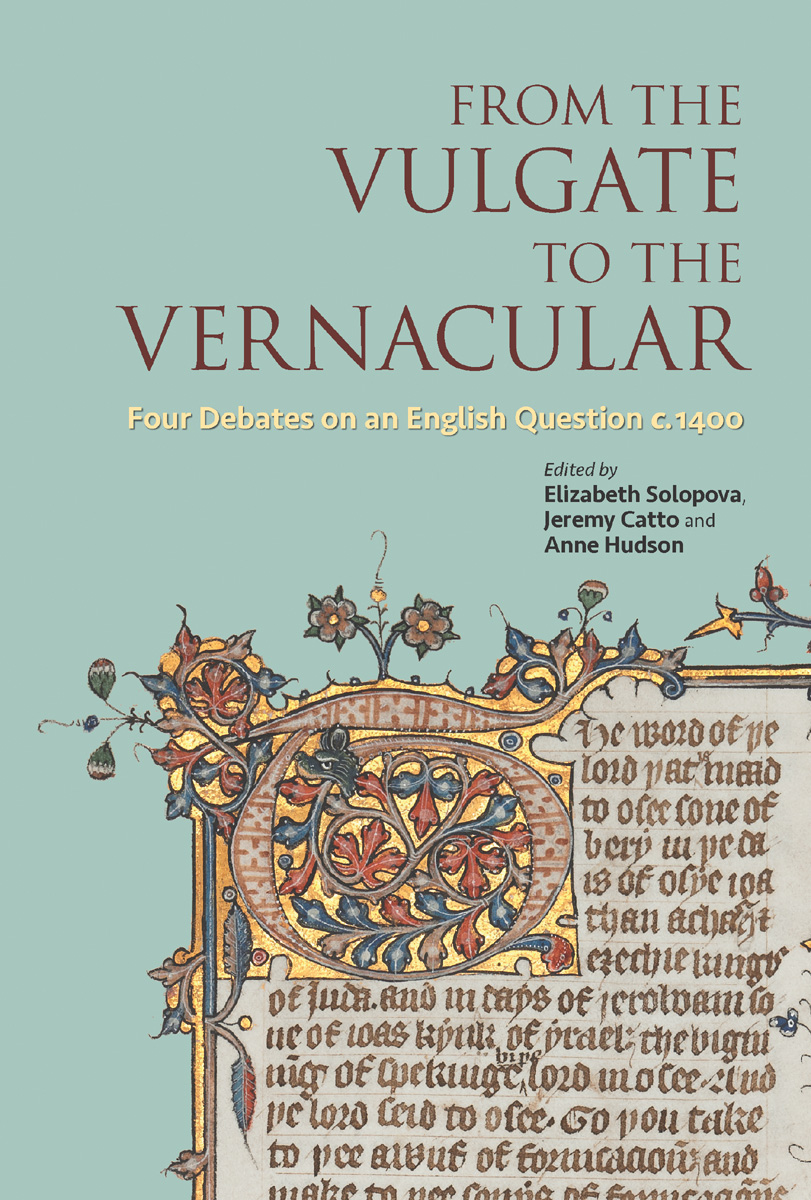
In England, as well as on the continent, the early fifteenth century saw a slackening of rigorous academic work in theology and at the same time a stronger interest in biblical and devotional approaches and practices. This book addresses the question of whether, and if so in what way, such a change may also have occurred in preaching by investigating the form in which sermons were constructed, to determine whether a new development or innovation replaced the scholastic sermon, or sermo modernus, in use from the later thirteenth century on. The volume concludes with editions of sermons drawn from major works created in England between the final years of the fourteenth and the middle of the fifteenth century.
Studies and Texts 220; British Writers 7 • cxxxvi, 216 pp. plus 8 b&w plates • ISBN 978-0-88844-220-8 • Cloth • $150
Co-published with The Bodleian Library (ISBN 978-1-85124-563-5)
Translation is at the centre of Christianity, scripturally, as reflected in the biblical stories of the Tower of Babel or of the apostles’ speaking in tongues after the Ascension, and historically, where arguments about it were dominant in councils, such as those of Trent or the Second Vatican Council of 1962–64, which privileged the use of the vernacular in liturgy.
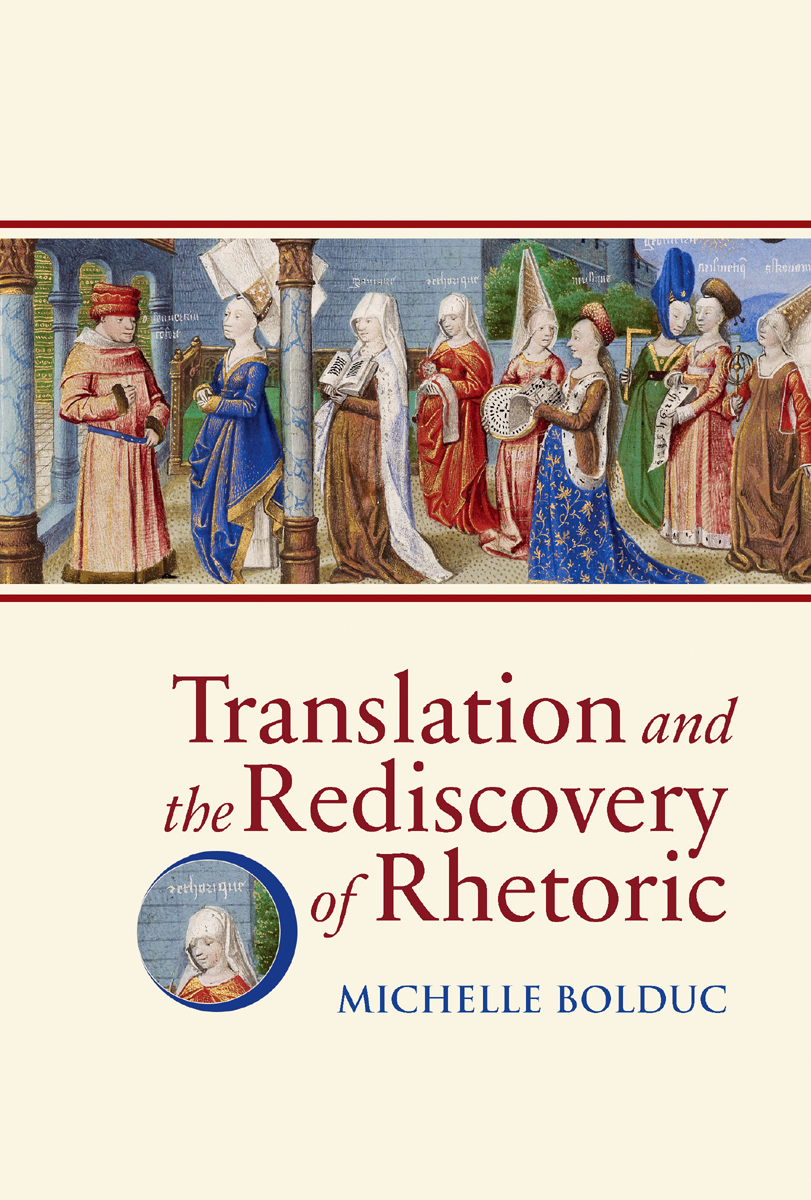
Studies and Texts 217; Toronto Studies in Medieval and Early Modern Rhetoric 1 • 2020 • xii, 444 pp. • ISBN 978-0-88844-217-8 • Cloth • $95
Translation and the Rediscovery of Rhetoric presents a diachronic case study of how translation is the means by which rhetoric, as the art of reasoning, becomes a part of a lineage of – and a resource for – an ethics of civic discourse. It shows how translation (as practice and as theory, via the medieval topos of translatio as the transfer of knowledge) serves as the vehicle for the transfer of rhetoric as an art of argumentation and persuasion from classical Greece and Rome to modern Paris and Brussels by way of medieval France and Italy.
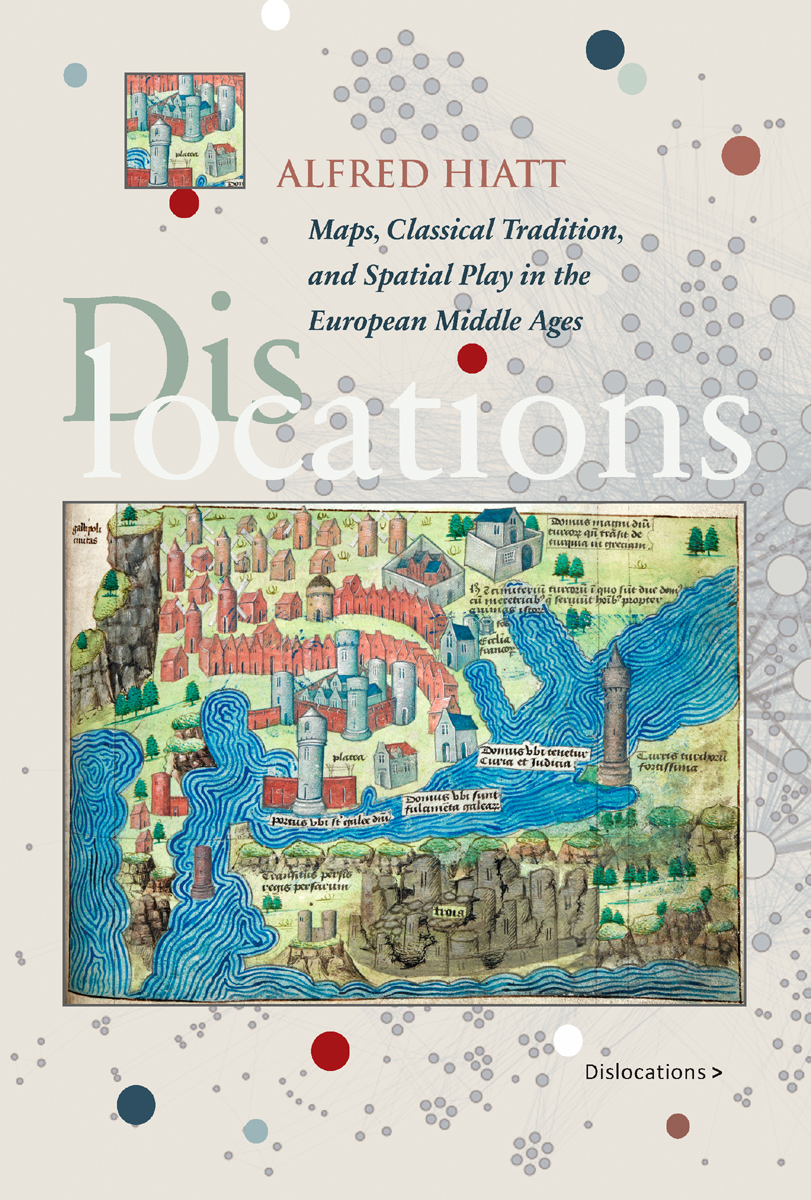
Studies and Texts 218 • 2020 • xii, 348 pp. plus 32 pages of colour plates • ISBN 978-0-88844-218-5 • Cloth • $95
In Europe, during the Middle Ages, classical Greek and Roman geography continued to provide the fundamental structure for knowing the world’s places and peoples. From encyclopedic compendia such as the Natural History of Pliny the Elder and its redaction in Julius Solinus’s Polyhistor to the works of canonical Roman poets such as Virgil, Ovid, and Lucan, the geographical content of antique texts invited study and explication. Yet medieval authors well knew that classical spatial order, itself full of lacunae, only infrequently corresponded to their own reality. Dislocations: Maps, Classical Tradition, and Spatial Play in the European Middle Ages considers the ways in which medieval and, later, humanist geography absorbed and reinvented classical spatial models in order to address key questions of historical change, migration, and emerging national, regional, and linguistic identities.
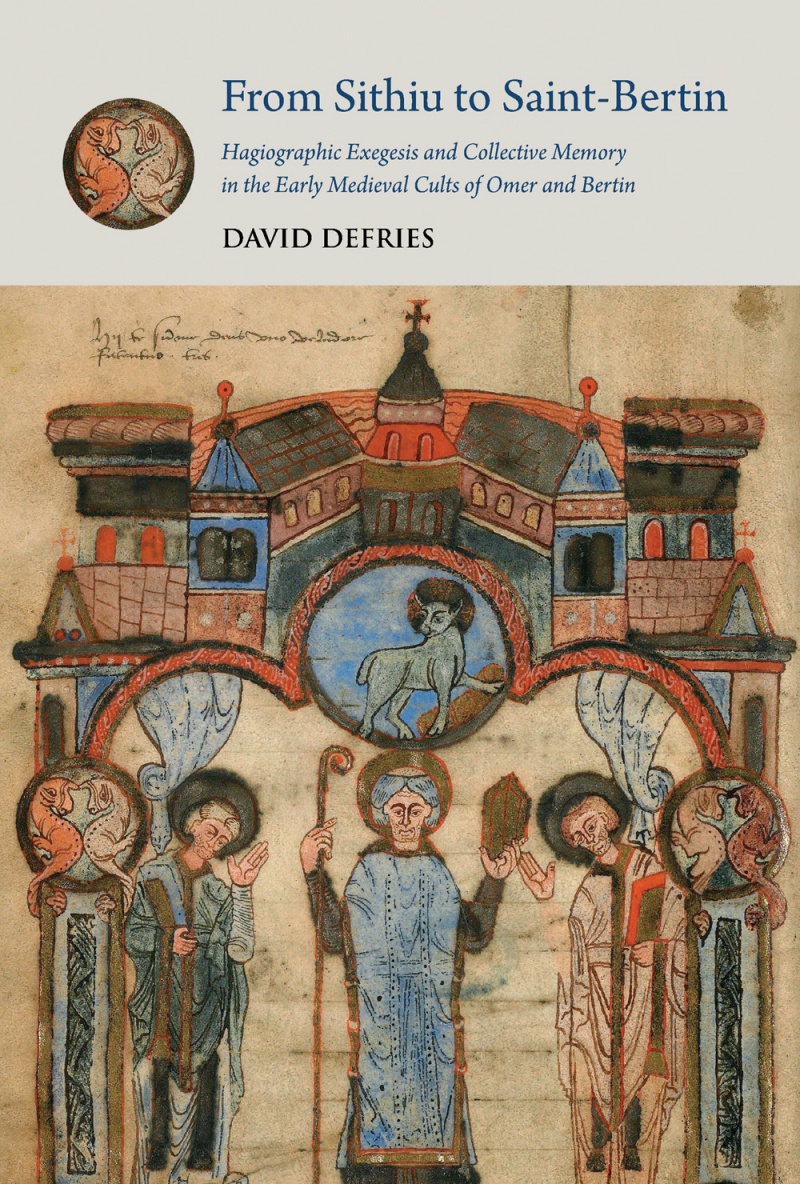
Studies and Texts 219 • 2019 • xiv, 340 pp. • ISBN 978-0-88844-219-2 • Cloth • $95
Medieval historians who have explored the abbey of Sithiu (modern Saint-Omer) have often done so to explain the competition between the canons of Saint-Omer and the monks of Saint-Bertin, a rivalry deriving from their shared origins in the abbey of Sithiu. However, David Defries’s book centers on the cooperative relationship that developed between the saints Omer and Bertin in the monks’ collective memory. Throughout the early Middle Ages, the cults of the abbey’s two patron saints shaped the life of the community at Sithiu, and the first four centuries of its development reveal how a group of monks negotiated their place in the larger Christian West, adapting Columbanian and Benedictine identities to fit the relationship they discerned between Omer and Bertin.
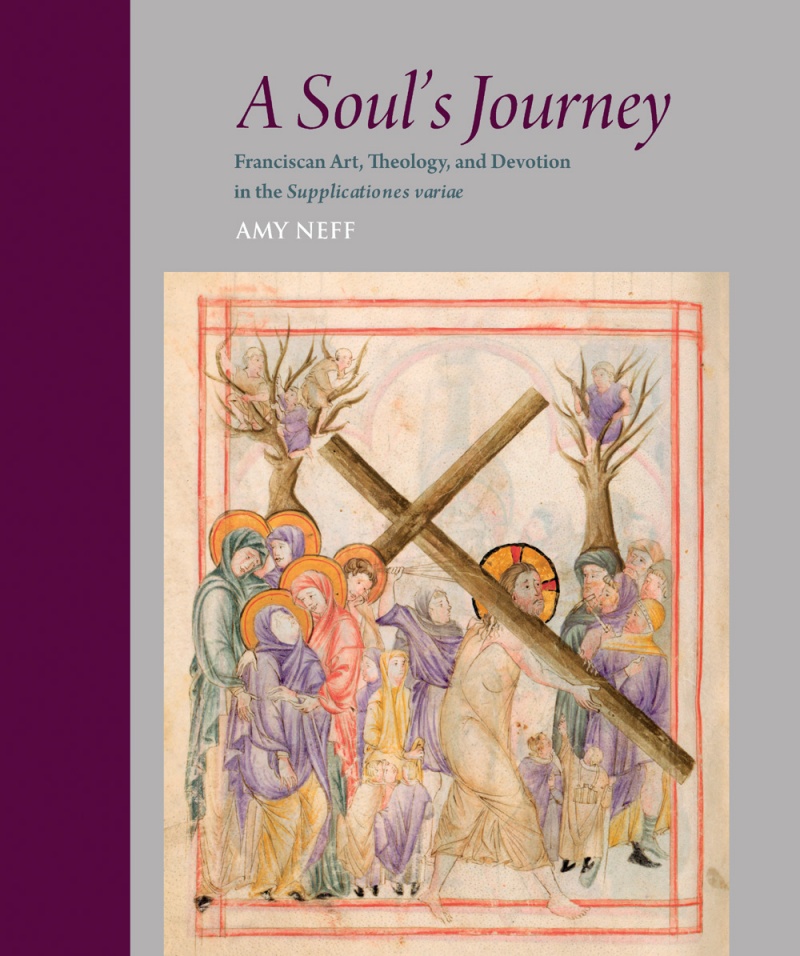
Studies and Texts 210; Text Image Context: Studies in Medieval Manuscript Illumination 6 • 2019 • xviii, 354 pp. incl. 245 colour illus. • ISBN 978-0-88844-210-9 • Cloth • $150
The Biblioteca Medicea Laurenziana in Florence houses an extraordinary manuscript: an anthology of devotional texts and images called the Supplicationes variae, dated 1293 and made for use in Genoa, that ends with a remarkable series of full-page illustrations. Although the Supplicationes does not include or illustrate Bonaventure’s seminal text, The Soul’s Journey into God, the manuscript is effectively the site for performance of a spiritual pilgrimage, for it is through the Franciscan theologian’s mystical and poetic concepts that the deeper meanings of its images can be discerned.
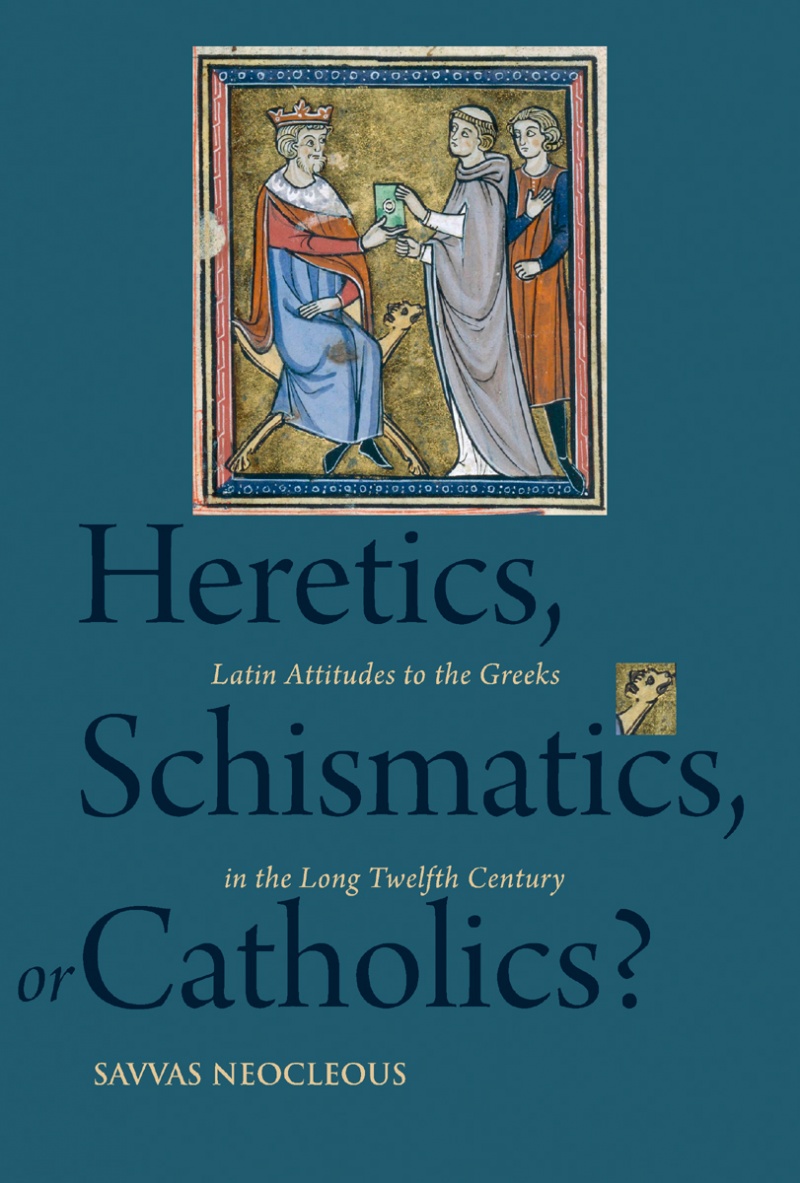
Studies and Texts 216 • 2019 • xvi + 292 pp. • ISBN 978-0-88844-216-1 • Cloth • $95
The political division of the Roman world into Western and Eastern Roman Empires at the end of the fourth century spurred the divergence of the Latinised Western and the Hellenised Eastern halves. According to a pervasive and deeply ingrained belief in modern academic, educational and popular literature, the ensuing antagonism on religious and cultural grounds between the two parts of medieval Christendom eventually led to the “schism of 1054.” Less than fifty years after the schism, Greeks and Latins came into closer contact as a result of the crusades and the encounter was catastrophic, leading to the capture and sack of Constantinople in 1204 by the armies of the Fourth Crusade. This study, the first to deal exclusively with Latin perceptions of and attitudes toward the Greeks in terms of religion, aims to revisit and challenge the view that the so-called schism between the Latin and Greek Churches led to the isolation of the Byzantine Empire by the Latin states and eventually to the events of 1204.
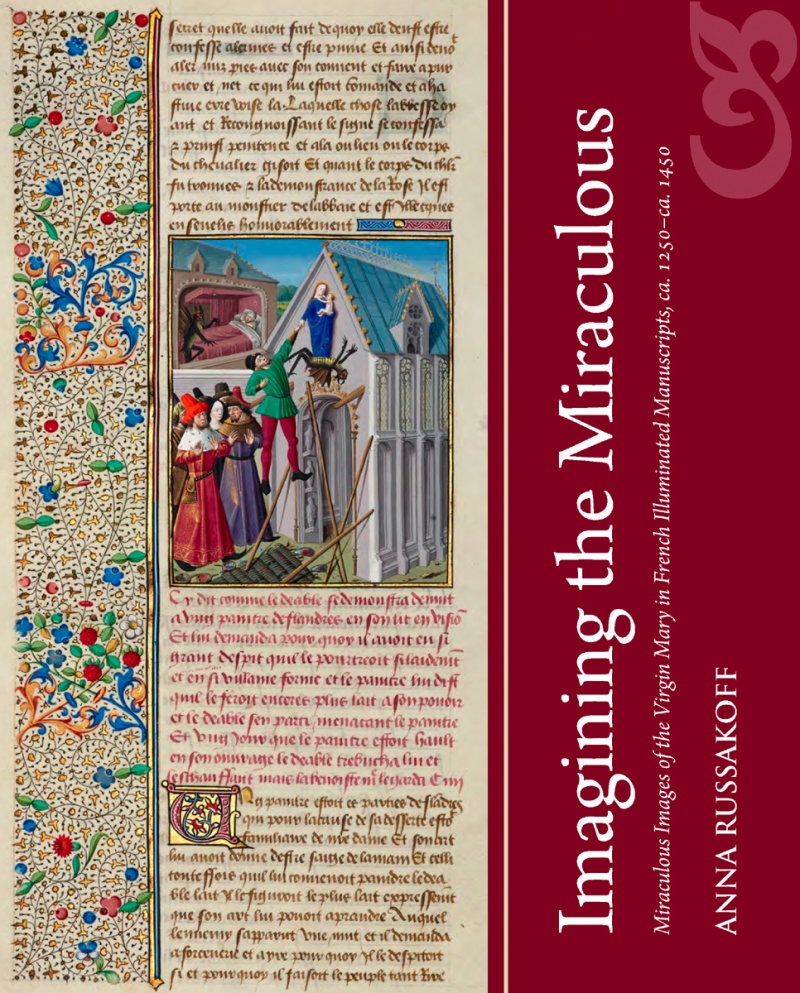
Studies and Texts 215; Text Image Context: Studies in Medieval Manuscript Illumination 7 • 2019 • xviii, 194 pp. incl. 94 colour illus. • ISBN 978-0-88844-215-4 • Cloth • $95
This is not a book about miraculous images of the Virgin Mary (be they icons, sculptures, altarpieces, or reliquaries) but about their representations in French illuminated manuscripts from ca. 1250 to ca. 1450. Most of these depictions of the Virgin Mary cannot be identified even tangentially with particular surviving images (such as the Virgins of Rocamadour, Soissons, Chartres, and Laon). Rather, these illustrations point to the ubiquity of local miraculous Marian images in devotional practices from the thirteenth to the fifteenth century in French-speaking regions. This book analyzes depictions of material images and the animated miracles they perform, and traces their evolution from the earliest narratives of Marian miracles written in Old French to texts and images produced at the Burgundian court of the late Middle Ages.
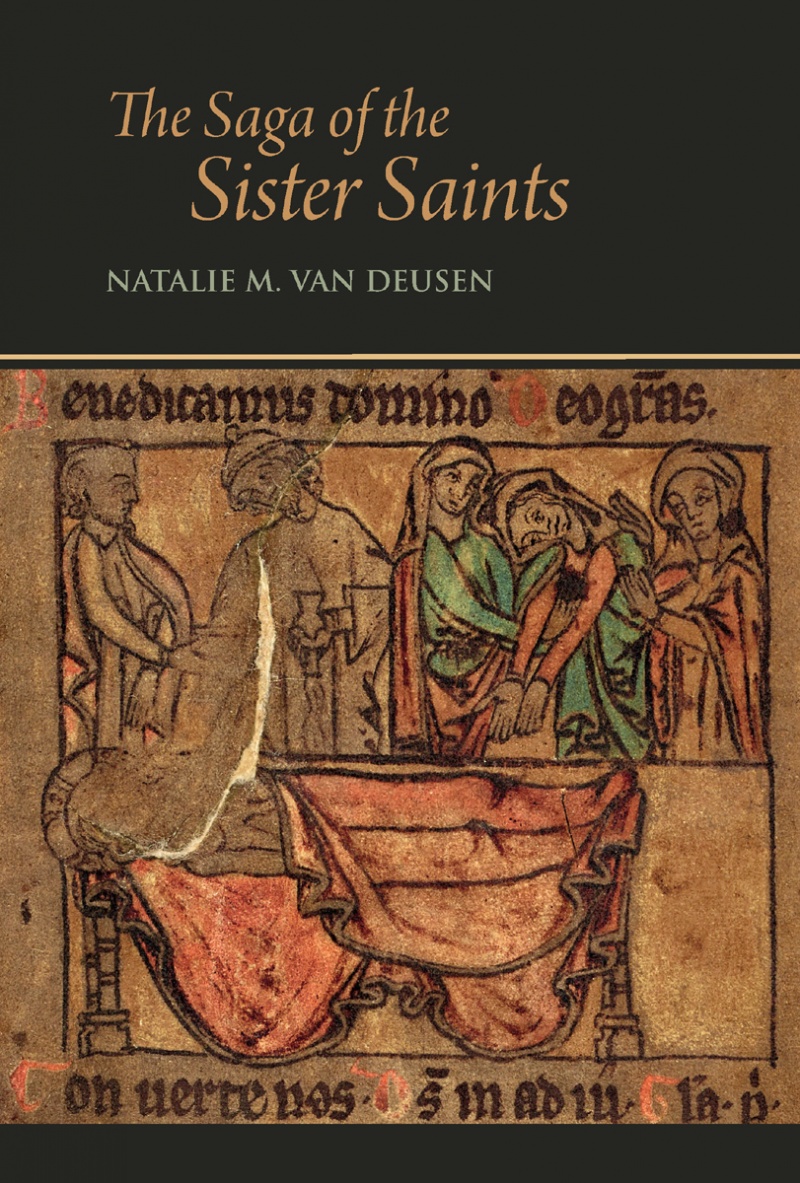
Studies and Texts 214 • 2019 • xiv + 222 pp. • ISBN 978-0-88844-214-7 • Cloth • $80
This book examines the cults and legends of Martha and Mary Magdalen in medieval Scandinavia, especially Iceland. While a number of parallels may be drawn between Iceland and mainland Scandinavia in terms of liturgical and artistic representations of Martha and Mary Magdalen, the Old Norse-Icelandic literary tradition stands apart from its Scandinavian counterparts in the cultural significance and relevance it gives to each of the “sister saints” in medieval Iceland, where the composite Mǫrtu saga ok Maríu Magðalenu was compiled in the mid-fourteenth century. The book concludes with a normalized edition of the only complete redaction of Mǫrtu saga ok Maríu Magðalenu, followed by its first English translation.
Studies and Texts 208; Text Image Context: Studies in Medieval Manuscript Illumination 4 • 2018 • xxxiv + 330 pp. • ISBN 978-0-88844-208-6 • Cloth • $110
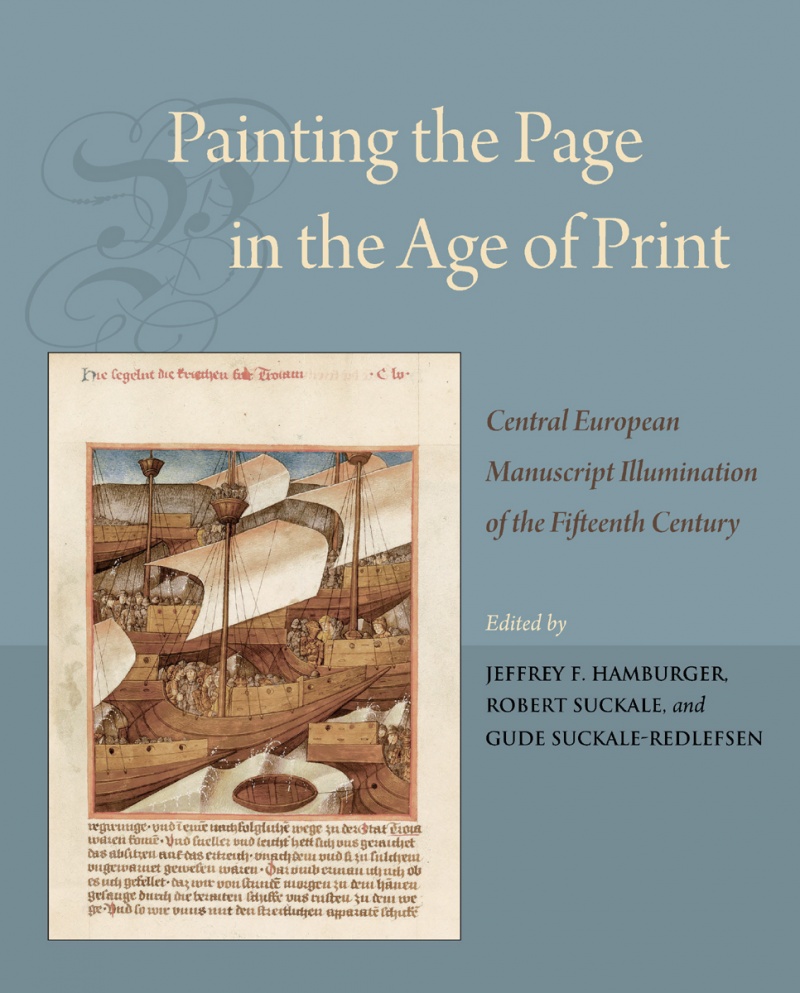
The history of the book in the late Middle Ages is associated especially with Gutenberg’s momentous invention of printing with movable type. Printing, however, hardly replaced the manuscript book overnight; in respect to content, materials, format, decoration, dissemination, and technique, the fifteenth century in German-speaking lands witnessed an extraordinary range of innovation and experimentation. Nonetheless, over a century of scholarship has tended to dismiss the illuminated manuscripts produced in central Europe between 1400 and the Reformation, the vast majority of them unknown beyond a small group of specialists, as mediocre manifestations of a culture in decline. This book – originally published in German to accompany a series of exhibitions in Germany, Austria, and Switzerland from 2015 to 2017 – was written to challenge these prejudices and the weight of tradition they represent.
Studies and Texts 212 • 2018 • xx + 468 pp. • ISBN 978-0-88844-212-3 • Cloth • $90
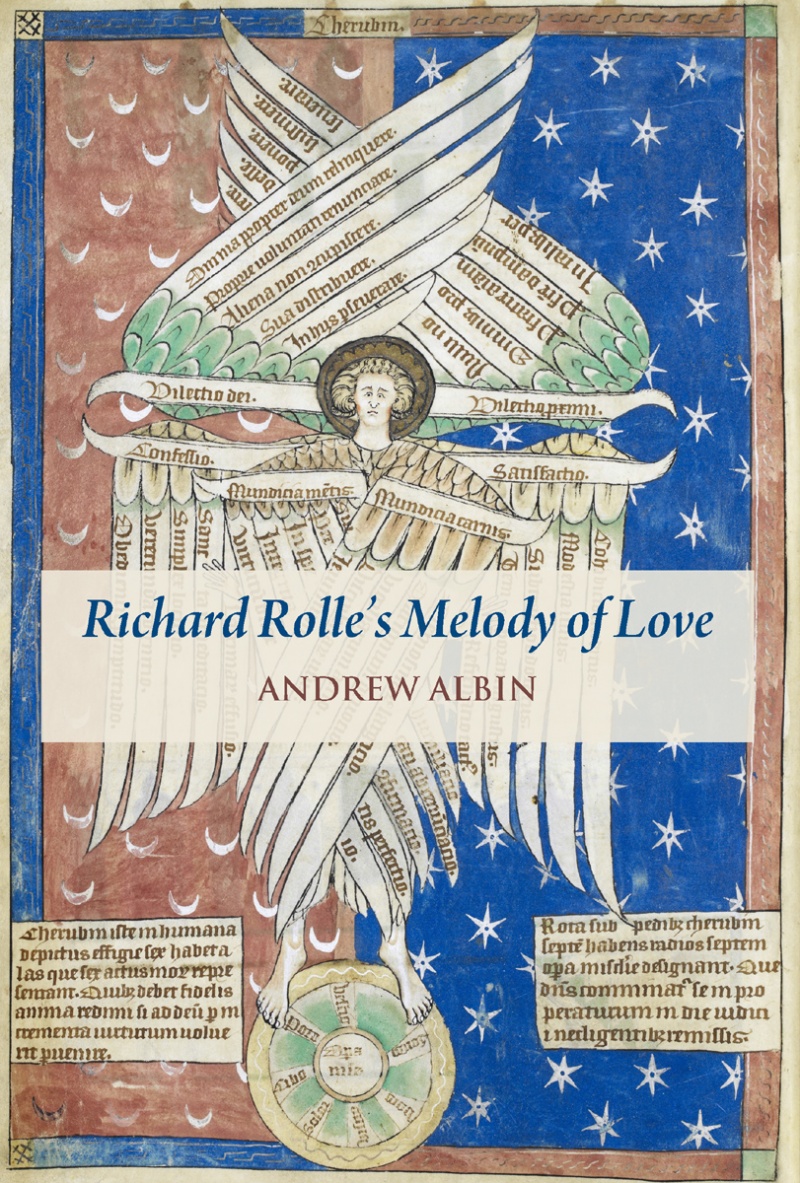
The Melos amoris stands as the most daring literary achievement of medieval England’s most influential mystic, Richard Rolle. Full of autobiographical glimpses and spiritual rhapsodies, this sustained étude in alliterative, rhythmic Latin prose contains Rolle’s first public account of his profoundly sensory mystical experience. The current volume provides the first full translation of this unstudied masterpiece into English, in alliterative prose that mirrors the original.
Studies and Texts 209; Text Image Context: Studies in Medieval Manuscript Illumination 5. 2018. xiv + 212 pp. ISBN 978-0-88844-209-3 • Cloth • $95
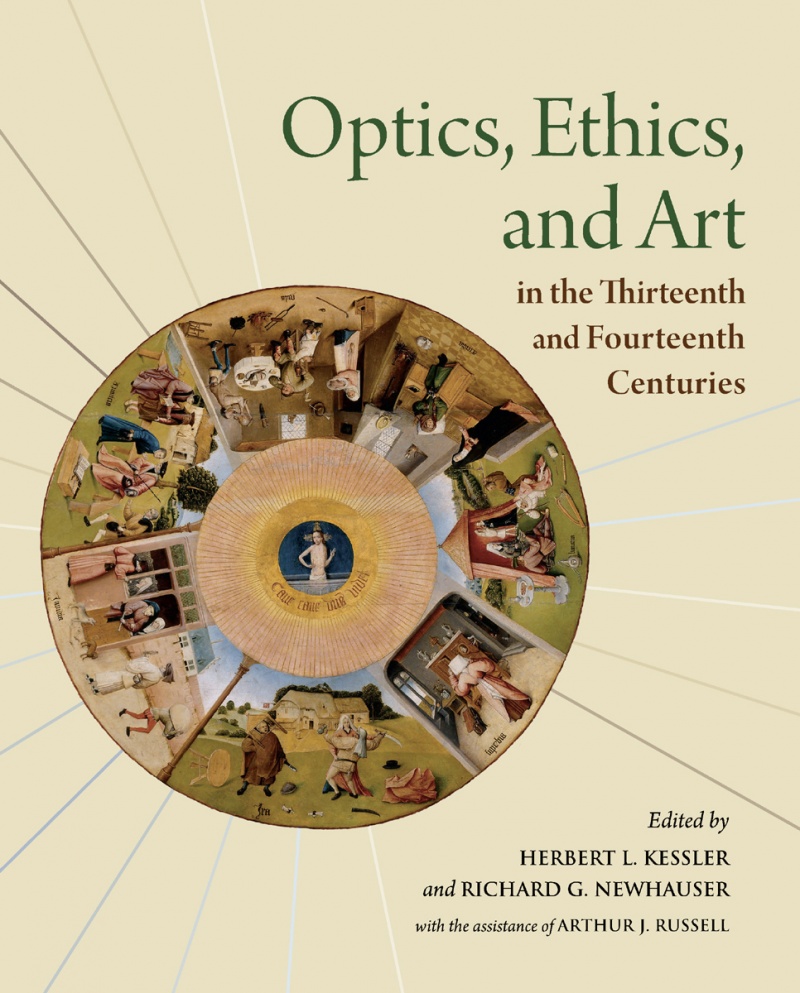
This volume examines afresh the various ways in which the introduction of ancient and Arabic optical theories transformed thirteenth-century thinking about vision, how scientific learning came to be reconciled with theological speculation, and what effect the results of these new developments had on those who learned about them through preaching.
Studies and Texts 207; Catholic and Recusant Texts of the Late Medieval & Early Modern Periods 4. 2017. xx + 730 pp. ISBN 978-0-88844-207-9 • Cloth • $115
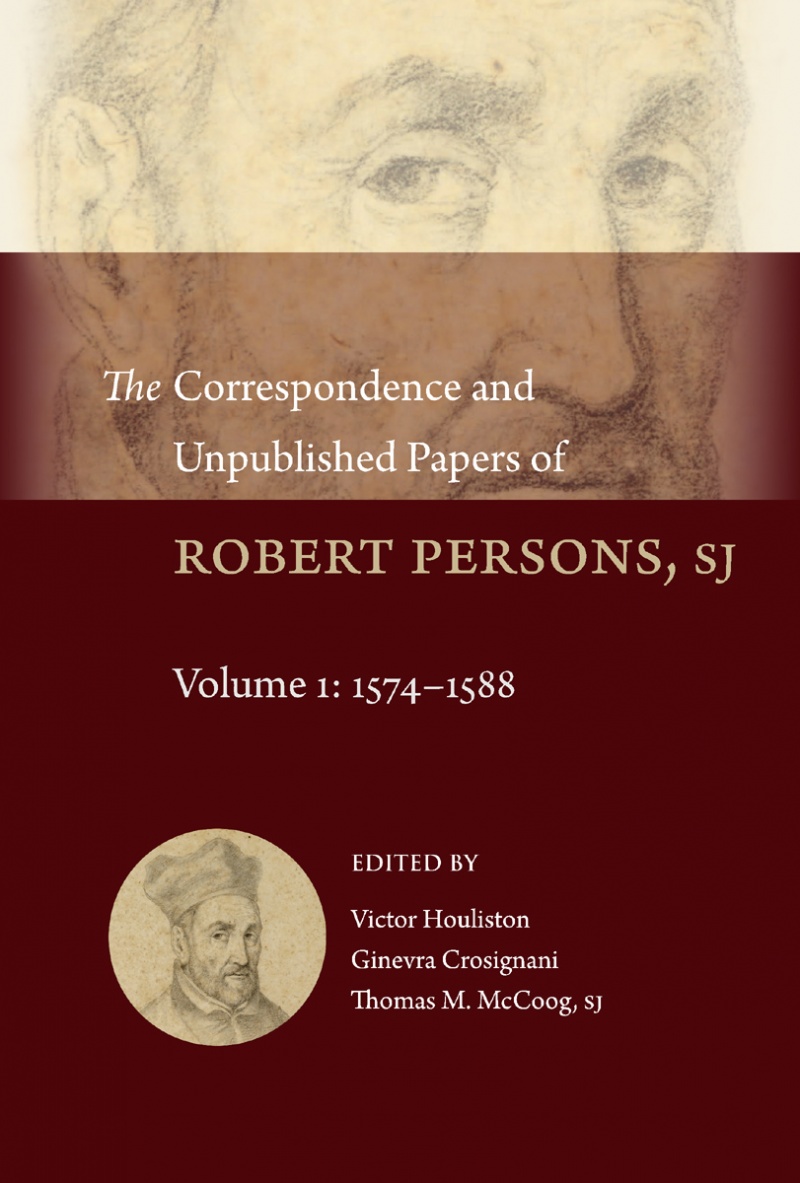
Robert Persons is recognized as one of the most intriguing public figures of the Reformation era in England. As the superior of the Jesuit English mission from 1580 until 1610, he was engaged in a campaign for the reconversion of England that had wide political, ecclesiastical, pastoral, and polemical ramifications. Awareness of his importance has increased with the rapid growth of early modern British Catholic studies. His career continues to prompt much debate, especially over his political attitudes and activities; hence the need for a comprehensive and up-to-date edition of his correspondence.
Studies and Texts 211, Mediaeval Law and Theology 9. 2017. xiv + 188 pp. ISBN 978-0-88844-211-6 • Cloth • $80
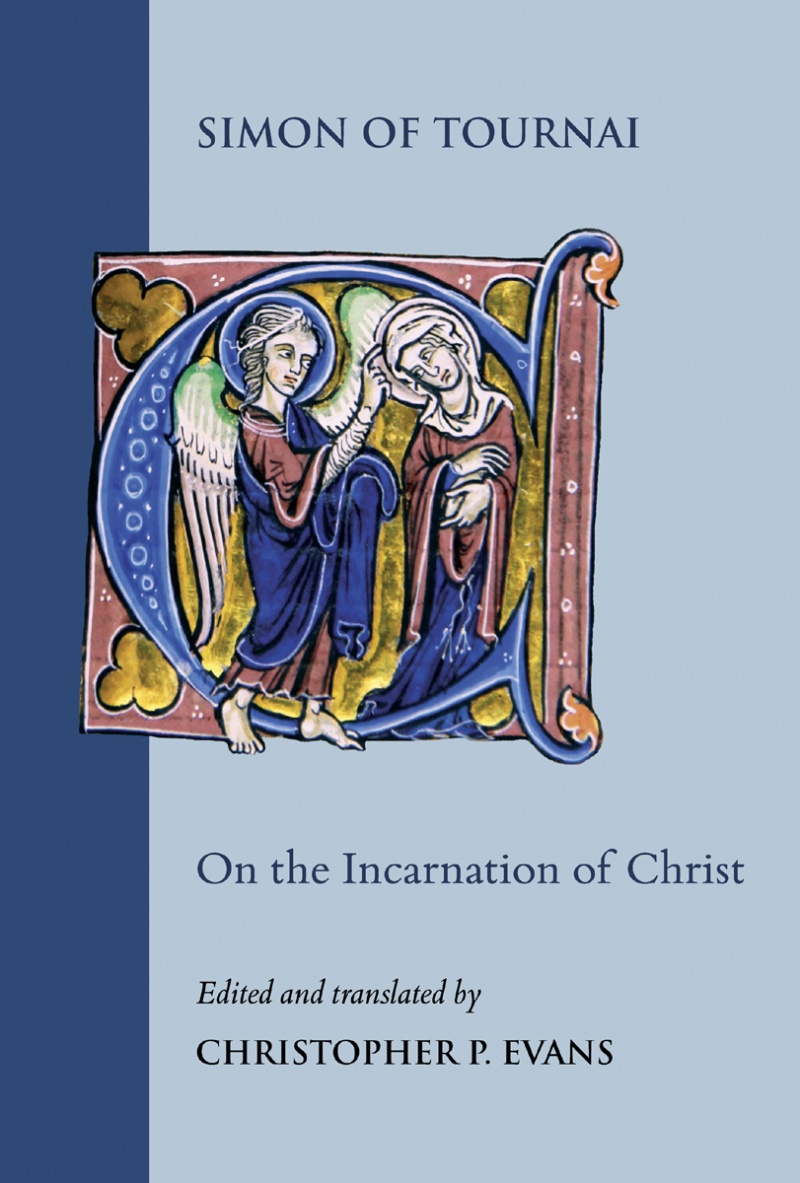
Simon of Tournai was a theological master who flourished in the Paris of the 1160s and enjoyed considerable renown. Composed between 1160 and 1165, Simon’s Institutiones in sacram paginam is among the earliest treatments of the Incarnation after the Sentences of Peter Lombard (ca. 1157/8). In it, Simon provided precise and lucid treatments of fundamental topics regarding the person of the incarnate Christ. Indeed, the Institutiones has proved an important witness to the development of Christology in the late twelfth and early thirteenth centuries and had a strong and lasting influence on the theology of the Middle Ages.
Studies and Texts 206. xvi, 228 pp. plus 12 plates. ISBN 978-0-88844-206-2 • Cloth • $85
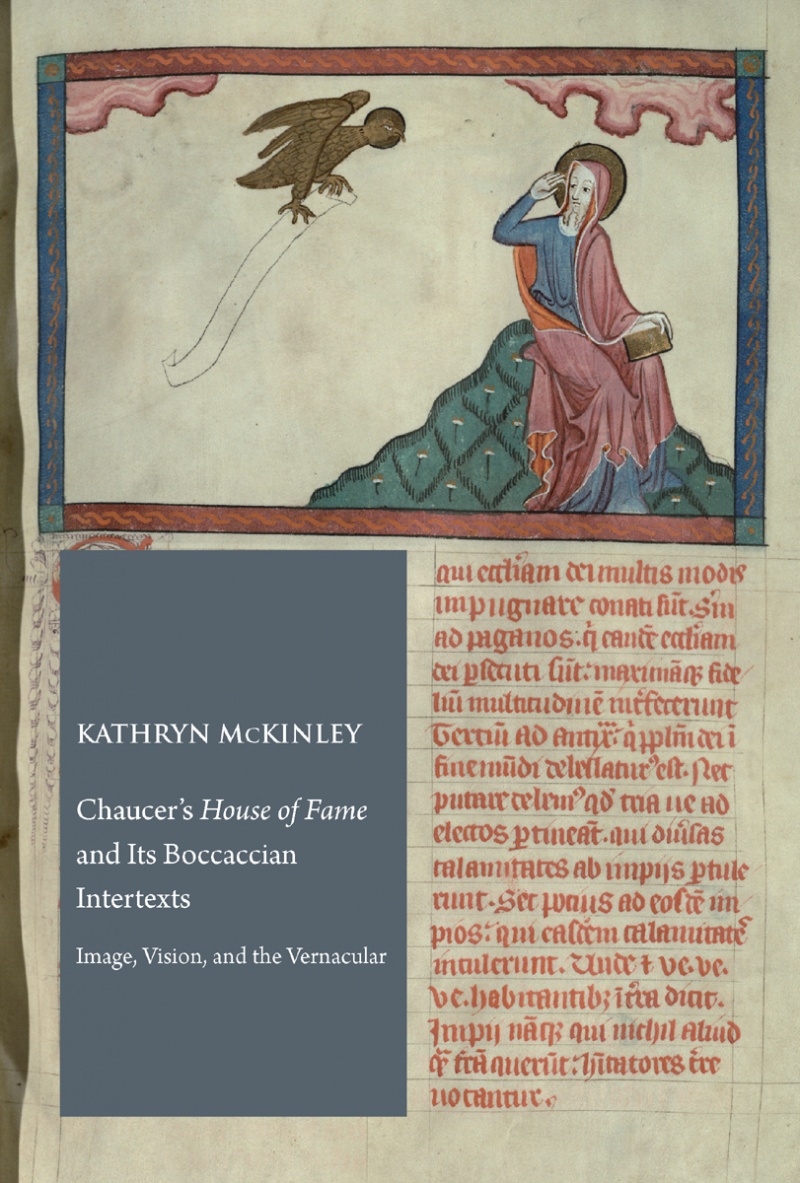
Geoffrey Chaucer’s House of Fame has rightly been read as an ironic response to Dante’s Commedia, yet there is a larger story to tell. This study considers how Chaucer’s poem engages Boccaccio’s writings as much as Dante’s.
Studies and Texts 205; Monumenta Liturgica Beneventana 8. xvi, 444 pp. plus 16 plates. ISBN 978-0-88844-205-5 • Cloth • $100
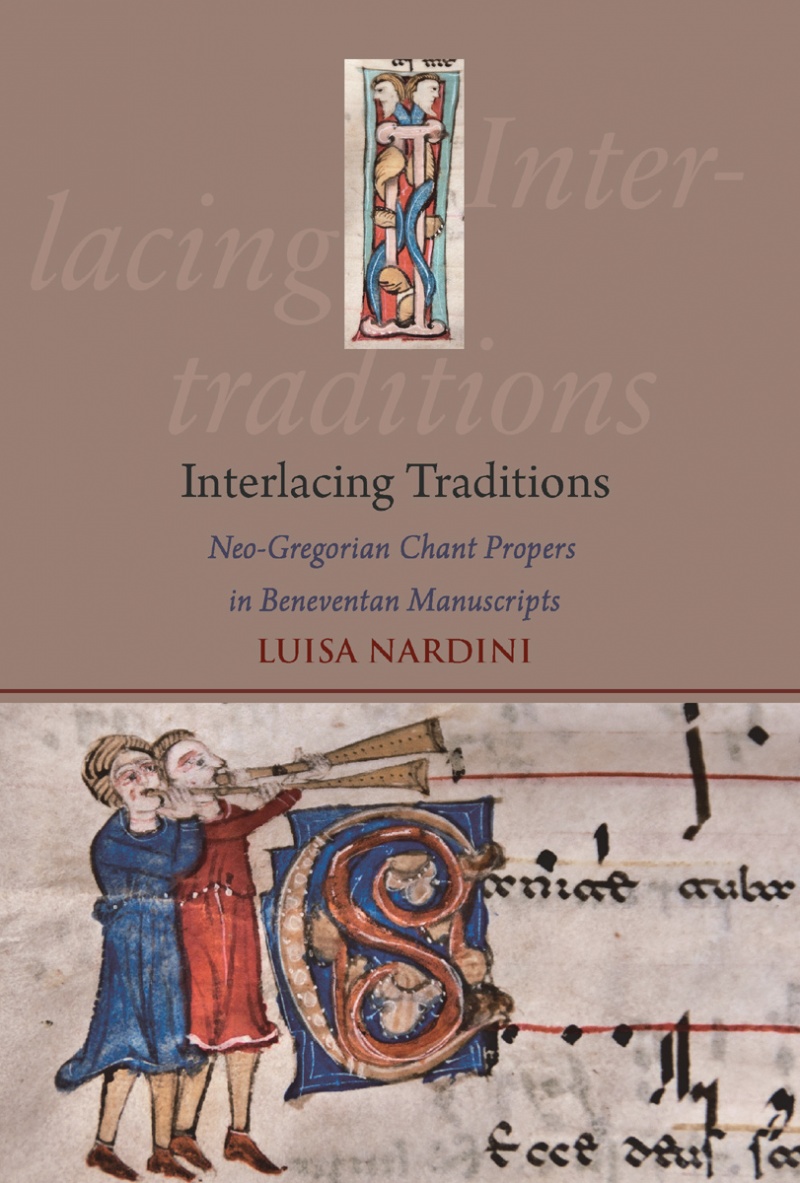
This book is the first comprehensive study of the neo-Gregorian chants for the Proper of the Mass that circulated in the Beneventan region between the tenth and the thirteenth centuries. This extensive repertory demonstrates in extraordinary ways the struggles of local cantors to mediate between conformity to a standardized liturgy pursued by the Carolingians and the papacy, and a desire to maintain elements of the local musical culture.
Studies and Texts 204; Monumenta Liturgica Beneventana 7. xxxii, 640 pp. plus 10 plates. ISBN 978-0-88844-204-8 • Cloth • $110
The manuscript that is the subject of this study and edition constitutes a rich source for the study of the society and culture of the southern Dalmatian coast. The major parts of the manuscript were written in Beneventan script in the mid-twelfth century, perhaps for the dedication in 1166 of the new cathedral of Kotor in southern Dalmatia, now Montenegro. The core of the manuscript, which contains a lectionary with epistles and gospels for major feasts of the liturgical year and a pontifical with ceremonies proper to a bishop, functioned as a liturgical compendium for the use of the cathedral and bishop of Kotor. Two gatherings of sermons were added to the codex, likely in the early thirteenth century, and ecclesiastical documents and communal statutes were copied in the margins and on blank pages.
Studies and Texts 203. xx, 452 pp. 2016. ISBN 978-0-88844-203-1 • Cloth • $70
With the triumph of the codex, medieval literature became more deeply hermeneutic in character. A vast range of texts, in various languages and genres, were not only copied with the commentaries and glosses of ancient tradition, but also underwent continuous reworking and transformation. Indeed, the very act of transcribing texts into a manuscript was often an incentive to rewrite them. This practice resulted in a bewildering number of textual versions that lived alongside their originals, and sometimes displaced them, but were nevertheless fundamental to their transmission and interpretation, often resulting in complex textual layers.
Studies and Texts 186; Text Image Context: Studies in Medieval Manuscript Illumination 1. 2014. xii, 212 pp.
New in Paperback (2016): ISBN 978-0-88844-426-4 • $45.00
Casebound: ISBN 978-0-88844-186-7 • $85.00
The Italian priest Opicinus de Canistris fell ill in 1334 and had a divine vision that inspired drawings of continents and oceans transformed into human figures; these beautifully strange drawings relate to contemporary maps and seacharts, religious iconography, medical illustration, and cosmological diagrams.